
Blog
Riding Through MIM: A Test of Perseverance

8 Jan 2026
A lot of people think finding out the horse that you’ve poured so much blood, sweat and tears into has a muscle disorder is one of the worst things that could happen. Sometimes, that’s true. Other times, it’s a relief. It’s a relief just to finally have an answer. It’s not one that I would wish on someone. It’s hard and complicated to get under control and manage over all. But it is possible. And it is possible to keep them happy and healthy… It just takes trial and error and a whole lot of patience to get there.
And then some more, to keep them there.
I currently have two very different horses with MIM. One is a registered Paint Horse gelding, Scooter. The other is Warmblood mare, Verona, with a full German passport. Bless the mini mare for saving my sanity and not being a candidate…. although she does have Heaves (just as annoying to manage but SO MUCH easier). As one of my friend’s pointed out, the Horse Distribution System really just pointed at me and yelled “chronic illness for this one.”
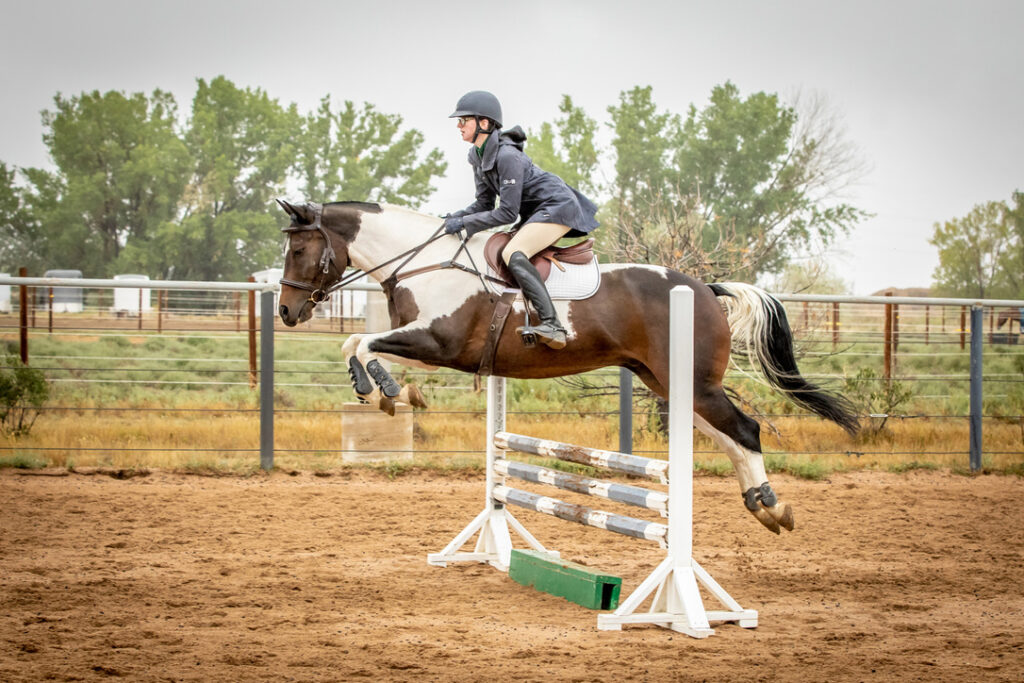
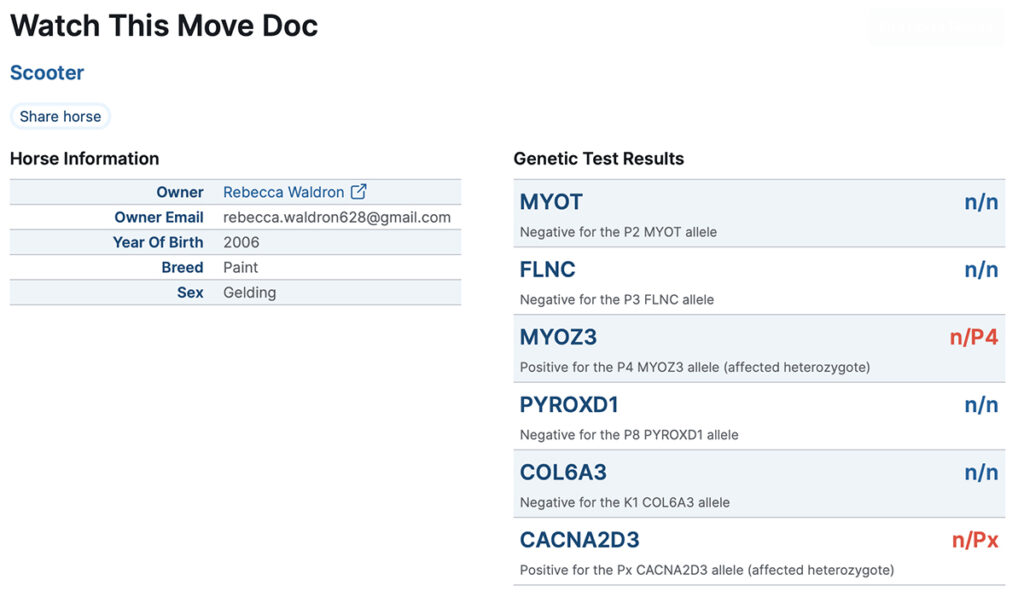
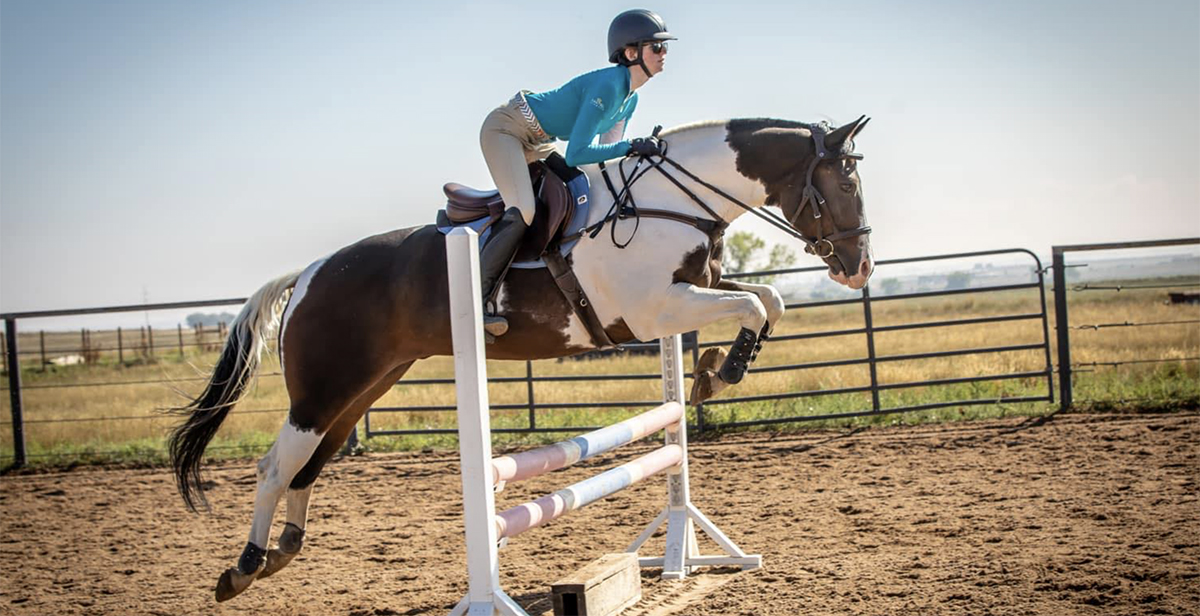
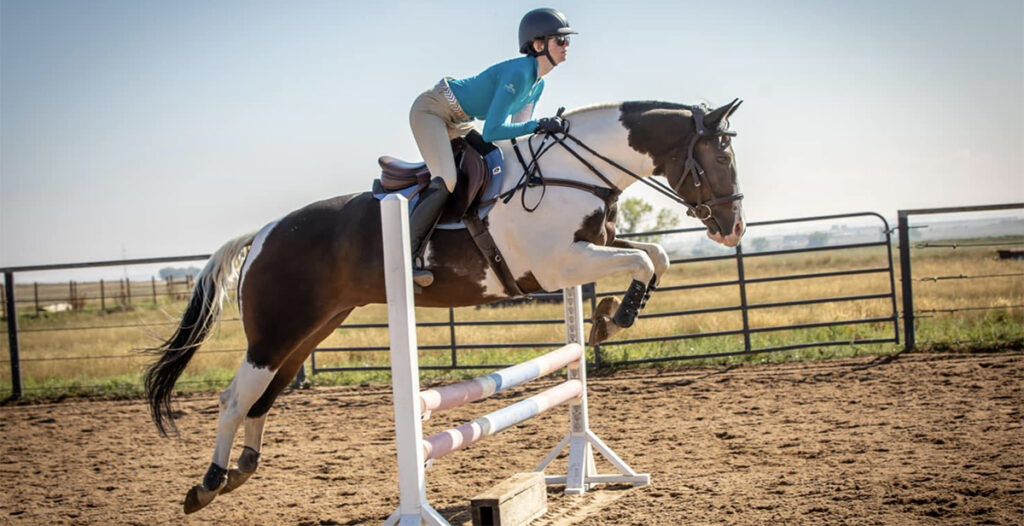
Let’s start with the Paint. Watch This Move Doc or Scooter is 19 years old and n/P4 n/Px. He doesn’t have a mean bone in his body. But he is sensitive and spooky. While he’s sweet as anything, those things don’t always mix very well. At this point in his life, if he’s exceptionally spooky and reactive, I know something is off. Sometimes that’s a result of too much Vitamin E. Sometimes it’s a supplement company changing formulas and his system just not jiving with the new mix. Sometimes it’s the weather. Sometimes he’s a bit ulcery. Sometimes it’s a combo of the above and/or it’s the second full moon of a month that just so happens to fall on a Tuesday.
I got Scooter when he was 7. He failed spectacularly at every Western discipline his prior owners tried with him. Work cows? Nah. They’re TERRIFYING. Speed events? He’s too slow. Western Pleasure? He’s too fast. Reining? Too big and just… not inclined to spins and sliding stops- something I constantly found interesting as he’s a professional at spinning spooks and sliding stops in one stride lines. His previous owner was pretty upfront that he thought he would be better suited to the English world, along with needing someone he could really learn to trust.
Cue an 18- almost 19- year old that had just moved half way across the country for college with entirely too little self preservation. The couple times I went out to try him were bad. Very bad. Friends at the time told me I was crazy for even considering him. But I couldn’t walk away for some reason. My mom and sister flew out for Parents Weekend and we went to see him again. They agreed that there was just something but couldn’t point it out either. He was terrified of the world AND himself. He bolted during mounting. He would shake if he was startled or thought he did something wrong. I vetted him two weeks later. The only thing the vet found during that was something with right hind but admitted it was likely due to him being freshly trimmed and that foot being a smidge too short. I took the chance.
The first year was rough. Looking back, he was absolutely already symptomatic. It took over nine months to be able to mount without him bolting. I ate more dirt in that year that I did before AND since. Combined. Once I figured out a routine for mounting, he was fine. We started working with a trainer a year after I bought him. I didn’t really think much about his quirks at that point. I just thought he was a spooky, sensitive, insecure, young horse that had been through some rough training previously.
At 9, he started being not quite right behind. He wasn’t obviously lame. He was cross firing(one lead in front, the other behind), refusing to pick up the canter, and/or blindly running off. He was spookier than usual. He hated backing up. After a lameness exam, we decided to shoot radiographs of his hocks. They were fine. The vet was baffled. I was baffled. Everything was pointing to his hocks yet he only had a small blip of a change on his lower right hock. The vet wasn’t convinced injecting would be beneficial so we did a 10 day trial of bute. When that worked wonders, the vet wrote a script for Equioxx. He’s been on it almost constantly since. He had a year-long break off it at 10 and then went back on.
Around 10 is when he really started struggling to back up on the ground. He’d snatch a hind leg up, shake, and slam it back to the ground. It would mysteriously disappear whenever the vet was around. He never did it under saddle. Sometimes it would happen while tied, cross tied, or simply asked to move over in his stall. He started to struggle balancing in my slant load trailer and even fell- at least partially- under the divider at one point. He managed to get back to his feet on his own but the missing hair on his hips and bent divider told the story of what happened in that scramble well enough.
String halt, Lyme, EPM, and other neurological conditions were quickly ruled out. I had a friend that had a horse with Shivers and comparing the two in an “episode” was like looking in a mirror. My vets weren’t convinced as the only factor he had going for him in terms of predisposition is being a gelding. But I tried changing his diet to better fit shivers – low NSC, high Vitamin E – to see if he would improve. He did. It never fully disappeared but it was significantly better.
As for hauling, I started hauling him with the divider open or in the rear slant whenever possible. Finally, I was able to try hauling him in another friend’s straight load.Thankfully, he hauled without an issue in it… although he majorly struggled to back off. I ended up getting a new trailer with a side ramp to unload so he didn’t have to back off or bend himself in half to turn around. Vera was outgrowing the slant load anyway, so I was going to end up getting a different trailer sooner or later. Now he will only travel in a slant- in the last stall- if absolutely necessary and even then he will wedge himself as best as possible against the rear door and HAS to be able to turn around to unload. (No rear tack rooms allowed.)
It wasn’t all bad by any stretch. He was becoming calmer and more confident. We were hauling out to lessons a few times a month and lessoning at home even more. We started going out with eventer friends on their fitness rides and cross country schoolings. We spent winters going to as many clinics as I could swing financially (or trade for farm sitting). Summers were – by most standards – pretty light show schedules, but heavy for us at about one a month.
When Scoot was 10, I thought we were close to hitting what I thought was his limit- I was wrong- I had started casually looking at young horses. Specifically, a foal or yearling. I didn’t want to go through retraining another horse. It’s so much easier to just do it the right way the first time. Right?
Joke’s on me. I still ended up retraining. But I’m getting ahead of myself.
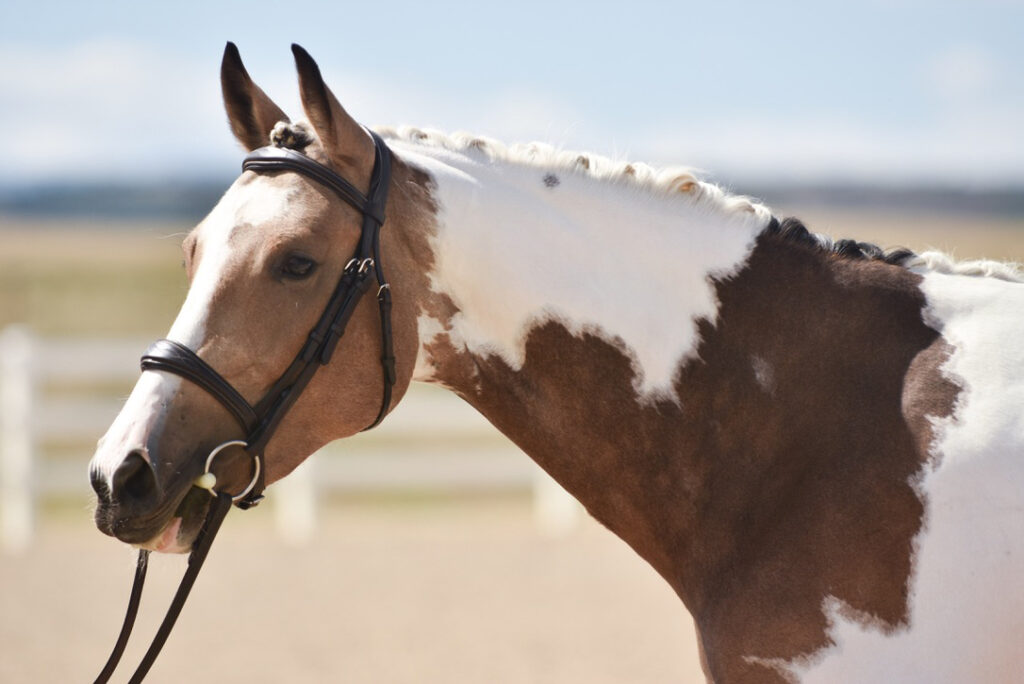
Prom Dress GES or Vera (technically Verona but Vera has taken over by far) was supposed to be the horse that I would move up with. I had the time for her to grow. I had the time to train her. I was more than willing to take it slow and give her the best possible chance I could at getting her to be a solid mid-level jumper. I wasn’t interested in going upper level, and I’m still not.
Vera – at the ripe old age of three months – was very different from Scoot. She was very aloof but also very brave and curious. Bringing her and her dam into the arena to see her, she disappeared out of sight while her dam screamed. Her breeder just laughed and said she’d reappear shortly. She came trotting around the corner of one of the barns and pranced her way right into the arena to show off. She’s been showing off since.
She was FEISTY as a youngster. Until about 2.5, leading her was a 50/50 shot on whether or not there was a baby horse attached to the lead or a kite. I showed her in a couple Dressage Sport Horse Breeding classes as that was the only option available locally at the time. She was kicked in the hock late in her two year old year and it wasn’t able to be stitched up so that was the end of in hand classes. But she got hauled to cross country courses, trails, shows, clinics, etc. I made sure she was exposed to everything I could possibly think of in those first three years with the hope that she would take to outings after starting like a pro.
I’m not sure starting her could have been easier. The biggest issue was getting forward movement from my leg. But she wasn’t bothered by much and overall just pretty easy going. I kept the first couple years really light as she was still going through some crazy growth spurts. There was no point in trying to keep her riding through them. She was gangly and clumsy and trying to keep a saddle in place for long lining/lunging was enough of a chore without adding weight to her back on top of it. So she’d get a couple weeks of light riding and then left alone for a growth spurt. Rinse and repeat until she was about five. Seriously, I think she had MAYBE 120 rides on her on her fourth birthday and maybe 200 on her fifth.

Five is when I started introducing jumping. By which I mean we trotted a lot of small cross rails. By this point, I had accepted that she DID NOT have the jumper speed I had wanted, but that was fine… she was a pretty fun little (figurative not literal) hunter in the making. Late in her five year old year, grids and small verticals were coming into the picture. She did a couple cross rail classes at schooling shows, where we got our asses handed to us by schoolmaster ponies and their pilots who were probably the same age as the horse I was wiggling down lines on. But Vera was handling ridden shows much better than she had handled showing in hand as a baby, so I was thrilled with her.
She continued to truck along beautifully. We hauled 1200 miles to go spend a week with my trainer-turned-friend. Vera handled the trip like a seasoned professional. She travelled extremely well, settled in immediately, was obviously green under saddle, and showed off the sticky spots I was struggling to correct on my own like a champ. Coming home, she hopped right back into the trailer, and rode back home just as happily as she had going.
Looking back, this is one potential spot for where our problems started.
After being home for a couple weeks, we started butting heads. She refused to bend and was more than happy to buck, rear, and occasionally stubbornly plant her feet, pin her ears, and fling her head around as if to say MAKE ME. Now, I knew a little regression was likely going to happen. But this was absurd. After two absolutely horrendous rides, I called my vet. By the time of the appointment, she didn’t even like people looking at her. After nearly taking off not only my head, but the vet’s as well, I had scripts for ulcer meds. A month later, I had my happy mare back.
Fall 2022 through early Spring 2023 was, for lack of a better way to phrase it, our golden era. She was making so much progress. She was getting stronger. Her confidence was soaring. It was a great time.
Then came The Wreckoning.
She had been doing so well, so I signed us up for a show. Just a little rated one with some schooling classes. It was going to be her first outing of the year – and her first show in almost two – and I was more concerned about a good experience over anything else. I’m pretty sure there’s a saying about the best laid plans I could put here.
The first clue that it was not going to be a good day should have been refusing to get on the trailer. For the first time in her life.
Which I ignored.
The second clue should have been body checking me to the ground within five minutes of arrival.
Which I ignored.
So when everything came to a head and I went spiraling through the air onto semi-frozen ground in warm up, I really shouldn’t have been all that surprised.
I was.
I was also in a lot of pain and considered just leaving her in an empty stall. (I would never but I had just suffered a back injury, faced a three hour drive home, and was not in a forgiving mood as a result.) Thankfully, my injury was all muscle and no broken bones. But it still took a few weeks before I was able to ride her again.
Once we got back to riding, she started out pretty good. A bit tense the first couple of rides but then settled down. Our rides moving forwards were about 80% good, 20% bad. Slowly it flipped. 20% good, 80% bad and it just kept going. She ended up being off for a month in the middle of summer after choking and then a reaction to vaccines. She was iffy about eating for a solid three plus weeks.
The last time I really rode her, it was a windy day in December 2023. She spent the entire thing kicking out at my leg, spooking, bolting, and bucking. That ride was the breaking point for me. Something wasn’t right. She was reminding me a bit too much of Scooter when I got him. So the decision was made to back off. Check all the boxes- saddle fit, vet, feet, body work, etc- and reevaluate. When everything kept coming back clear, I decided to test her for MIM. I had just gotten Scooter’s results back after finally testing him. Everything I was going through with her was just a little too familiar.
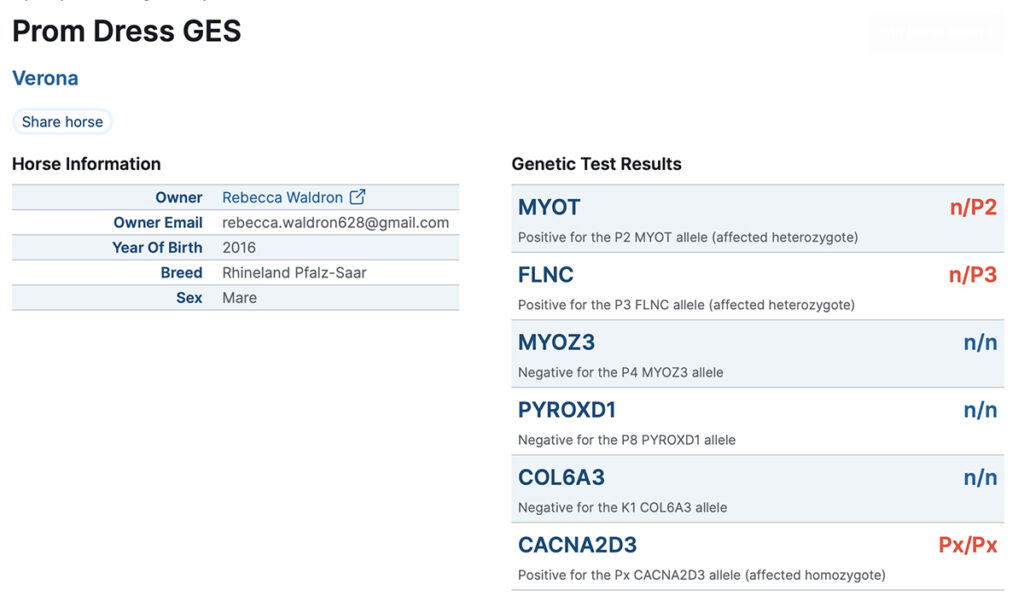
Verona’s test came back n/P2 n/P3 Px/Px. I remember being at work and having to go walk around the block just to begin to process that.
In under four months, I went from being suspicious of one horse to having two confirmed MIM horses.
I overhauled their diets. I reevaluated how I was blanketing. Scooter was getting longer warm ups and cool downs. Vera was officially on a vacation.
Her entire body was tight. Every muscle was a big ball of tension. That was the first thing to address. Down time, diet changes, and completely changing how I handled her eventually worked. Her muscles softened up slowly. We started doing more ground work but it was- and still is- slow going.
Six months after her last ride, I put her saddle on for the first time just to do some ground work. She immediately ended up tight and anxious again. All manners were GONE. Immediately. So the saddle had to be reintroduced slowly. We’re over a year out from that and she’s just now consistently relaxing when wearing her saddle.
I am very much still in the restarting her phase. We likely could be further along in this process, but unfortunately for me, I have my own medical problems to work around as well.
She has been doing so well the past few months. It really seems like everything is coming together. FINALLY. Windy days are definitely the worst.
How I’ve managed them and the why behind the changes
No Alfalfa or Soy
That includes treats! These are the basis for the majority of grain, ration balancer, forage based commercial feeds, pelleted supplements, and treats and they can’t have either one! Which means no commercial concentrates, almost no pelleted supplements, and carefully scanning treat labels for ingredients.
Scooter gets VERY itchy year round and breaks out in hives in the summer if he has soy. Vera’s hormones are on a hair trigger already and soy pushes them over the edge. Alfalfa makes both of them lose their minds! Seriously, they see sounds if they have ANY alfalfa.
Focus on Gut Health
Both horses are ulcer prone due to the variants they carry. They get hops, marshmallow root, licorice root, beta glucans, etc etc etc. I’m quick to dose with omeprazole and/or sucralfate. The moment I “lose” their guts, they spiral out of control with impressive speed. And then it can be extremely hard to get them out of said spiral and into being the happy, comfortable horse they were beforehand.
They have access to Timothy hay all day long. Huge hay bags are stuffed when they’re inside and full bales thrown out in turnout with them. They constantly have access to forage as a result. This is especially important as we’re in a drought prone area and don’t have access to grass in the first place. Not to mention that Scooter- and Velvet(the mini I mentioned earlier)- do not do well on grass for the few months a year we do have some.
Heavy Blanketing
Now, Vera is more sensitive to cold, wind, and wet weather than Scoot. Scooter has always been pretty tolerant of winter weather. Although, seven year old Scooter would say nineteen year old Scooter doesn’t handle weather very well. Which, yes. He does require much heavier blanketing than he used to. Vera has been a bit wimpy since she was a baby. I’d rather walk the line of both of them sweating a little versus them potentially ending up a bit chilly. If we had this conversation 3-5 years ago, my take would be completely different… under blanket and throw extra food. Now, those muscles need to stay nice and toasty, thanks. Borderline over blanket and still throw more food!
Both get quarter sheets AT LEAST during warm up if it’s below 55ºF. Vera tends to need them longer and more frequently than Scooter does. I have acquired quite the collection of types and weights of quarter sheets as a result.
Essentially, chilly -> tight muscles -> pain/discomfort -> gut upset -> ulcers. I’ll take them sweating a bit, thanks.
Turnout
Keeping them moving is important! I’m fortunate that my stalls have runs off them so they always have the option to move a little bit even when the footing is too slick to turnout/winds are way too high. I try to have them turned out as much as possible. That means turning out early and bringing them in late. In the summer, they’re out from dusk to dawn and in more regular work to make up for the extra stall time.
While having them live out full time would be ideal, neither likes 24/7 turnout. Scoot gets grumpy because Vera annoys him and doesn’t always take the hint to leave him alone. Vera is a fair weather princess. She’s fine until it’s not perfect weather 100% of the time.
Exercise Changes
The biggest thing in terms of exercise has been changing warm up routines. The next has been MUCH longer cool downs.
On a good day, Scoot can start with the normal walk to trot to canter progression and then you can get going on whatever the plan for the day is. On a bad day, it’s 15-20 minutes of walking with a little lateral work towards the end. Then, immediately into a canter and get him MOVING. That’s the only goal. Then back to trot work. And then you can get into that day’s plan. It might need to be adjusted for the fact that he started off tighter but that’s fine. Oh and walk breaks. All the walk breaks. He thrives off his walk breaks! But that’s always been the case. It just makes more sense now. On a bad day, a ride for Scoot can be up to 35 minutes of warmup, 20-30 minutes of work, 20+ minutes of cooling out. He is the type of horse that you want to keep walking because he’s puffing but if you stop for 30 seconds to a minute, his breathing will slow down. And if it doesn’t, a quick hack to the mailbox and back(less than a quarter mile) and he’ll be all good.
As previously mentioned, Vera is being restarted so riding-wise I don’t really know what she’s going to need on that front. What I do know is that if I cheat my way through her current checklist of Tight or Relaxed(or try to skip it), she lets me know. Dramatically. The days I get on her fully depend on that checklist at the moment. Currently, the focus with her is getting a bit more strength through her hind end which really just means keeping her pretty warm so those muscles stay relaxed and she doesn’t end up a ball of tension again. It’s pretty much impossible to strengthen a muscle that’s clenched all day every day. Vera will be a constant trial and error for a while still… which is fine by me. Scooter was that way for a long time as well. The difference is I know what I’m battling with this time.
After that novel, just know it can be a moving target to get these horses managed. It’s frustrating. It is a TON of trial and error. The target can- and likely will- move. And that sucks. A lot. But I’m a strong believer that it CAN be done. I’m also a strong believer that the effort is worth it. It’ll probably push your patience to the brink and then some more but when you get it, it’s wonderful.
I have spent… I don’t even know how long trying to figure out which horse needs what. There has been blood, sweat, and tears over these horses. My friends and family can all attest to that. But I also wouldn’t trade them for anything. I’ve had Scooter for twelve years… and I would do all of it over again if I knew we MIGHT end up here. And maybe that helps me keep going with Vera. There’s hope at the end of the tunnel.
The tunnel just moves sometimes.
Share this post
From the blog
The latest industry news, interviews, technologies, and resources.

Carnegie Mellon University Profiles EquiSeq Founder
April 20, 2026 – Pittsburgh, Pennsylvania The alumni magazine for Carnegie Mellon published…
22 Apr 2026

EquiSeq hosts webinar on Recurrent Exertional Rhabdomyolysis (RER)
ALBUQUERQUE, NEW MEXICO – April 4, 2026 EquiSeq hosted a webinar on Recurrent…
4 Apr 2026

EquiSeq is a biotech company offering
genetic testing for horses.
Resources
