
Posts by Paul Szauter, PhD, Chief Scientific Officer, EquiSeq
P3 Allele of FLNC is Associated with Myofibrillar Myopathy in Horses
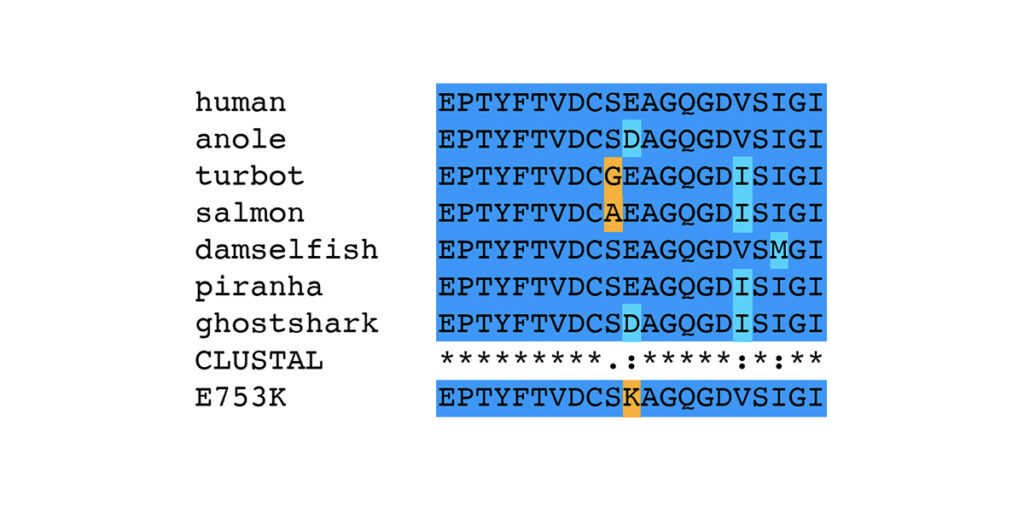
In human patients, mutations in the gene encoding filamin C (FLNC) are associated with Myofibrillar Myopathy 5 [1]. In a prior blog post, we reviewed the human mutations in FLNC associated with the disease state Myofibrillar Myopathy 5 (MFM5) and various cardiomyopathies. We also presented the specific changes associated with the equine P3 allele of…
Read MoreIs PSSM2 Genetic?
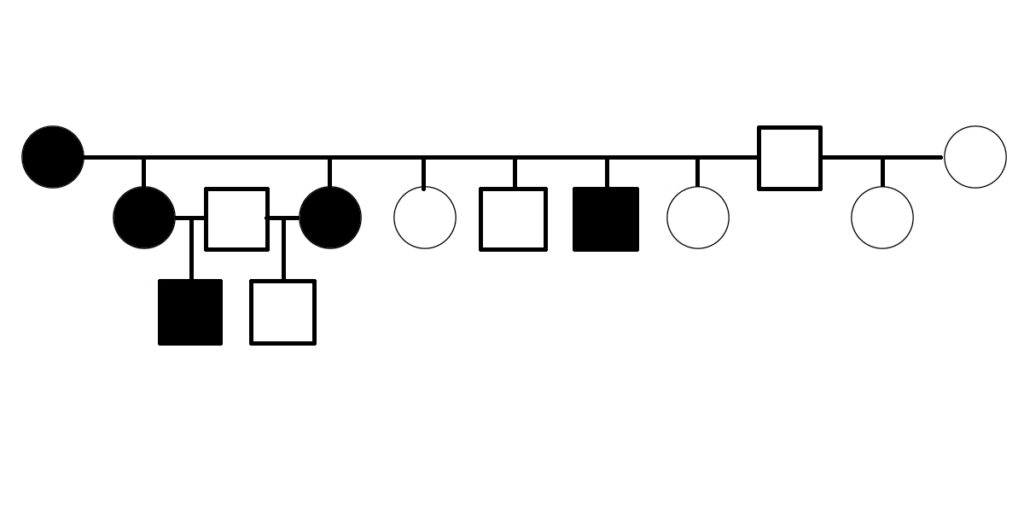
Is PSSM2 genetic? By genetic, we mean that it is an inherited condition, transmitted from parents to offspring rather than resulting exclusively from environmental conditions, such as diet or exposure to toxins or pathogens. What do we mean by PSSM2? PSSM2 is an abbreviation for Polysaccharide Storage Myopathy type 2 [1]. It is a disease…
Read MoreMyotilin
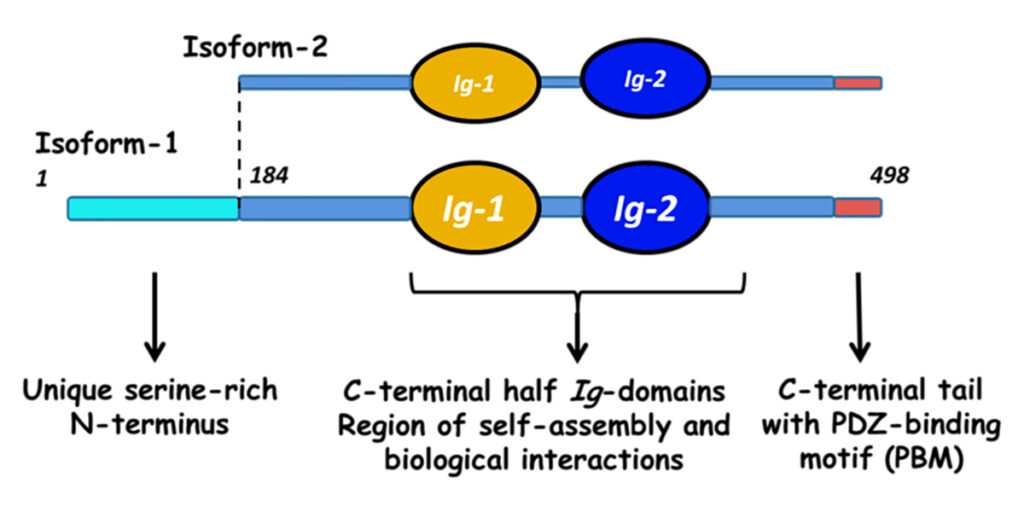
Myotilin is a muscle protein encoded by the MYOT gene. Myotilin is a structural protein of muscle that localizes to the Z discs. Myotilin contains two Immunoglobulin-like (Ig-like) domains similar to those of palladin, myopalladin, titin, and other proteins. The amino-terminal portion of myotilin contains a large number of serine residues and is not similar…
Read MoreEquiSeq adds P8 and K1 to Myopathy Panel

Fayetteville, AR At the Al Khamsa Annual Meeting and Convention today in Fayetteville, Arkansas, EquiSeq announced that it has added the P8 and K1 tests to the Myopathy Panel at no extra cost. EquiSeq’s Myopathy Panel, priced at $249, now includes tests for P2, P3, P4, Px, P8, and K1. The P8 and K1 genetic variants are…
Read MoreArabian MFM
This was written in response to a post on the PSSM Forum on Facebook. Negative nitrogen balance is a normal process that is helpful under the right circumstances. It is not confined to PSSM horses. You have certainly experienced it yourself. There are some circumstances under which you cannot consume enough dietary protein to meet…
Read MorePolysaccharide Storage Myopathy type 2 (PSSM2)
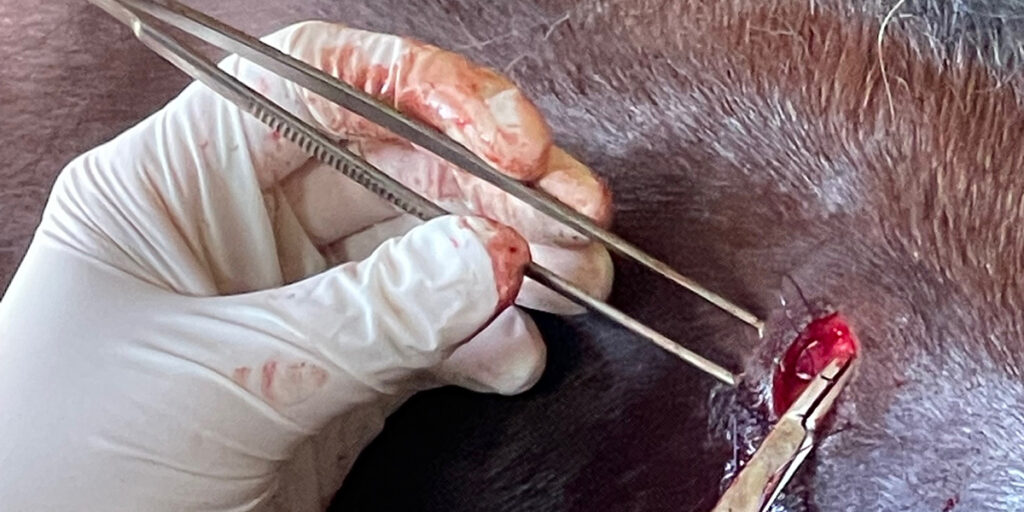
Polysaccharide Storage Myopathy type 2 (PSSM2) is a type of exercise intolerance seen in horses. Polysaccharide Storage Myopathy type 2 (PSSM2) is a disease state defined by symptoms of exercise intolerance, absence of the genetic variant GYS1-R309H (P1) that is associated with Polysaccharide Storage Myopathy type 1 (PSSM1) [1], and abnormalities observed in muscle biopsy.…
Read MorePolysaccharide Storage Myopathy type 1 (PSSM1)
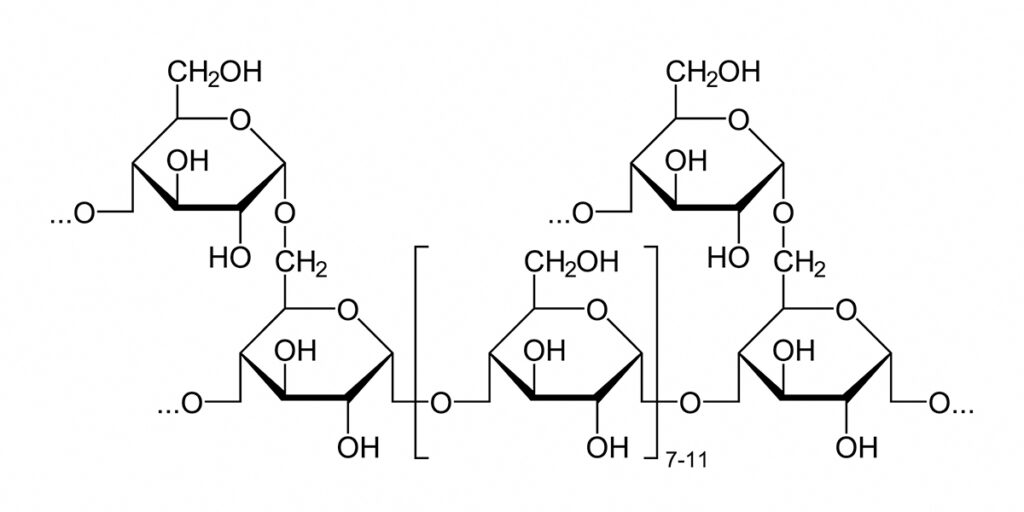
Polysaccharide Storage Myopathy type 1 (PSSM1) is a disease state in horses caused by an inherited defect in glycogen metabolism. Polysaccharide Storage Myopathy type 1 (PSSM1) is a form of exercise intolerance. Horses with Polysaccharide Storage Myopathy type 1 (PSSM1) exhibit exercise-induced symptoms including reluctance to move, pain, stiffness, tremors, and profuse sweating. Serum creatine…
Read MoreNegative Nitrogen Balance
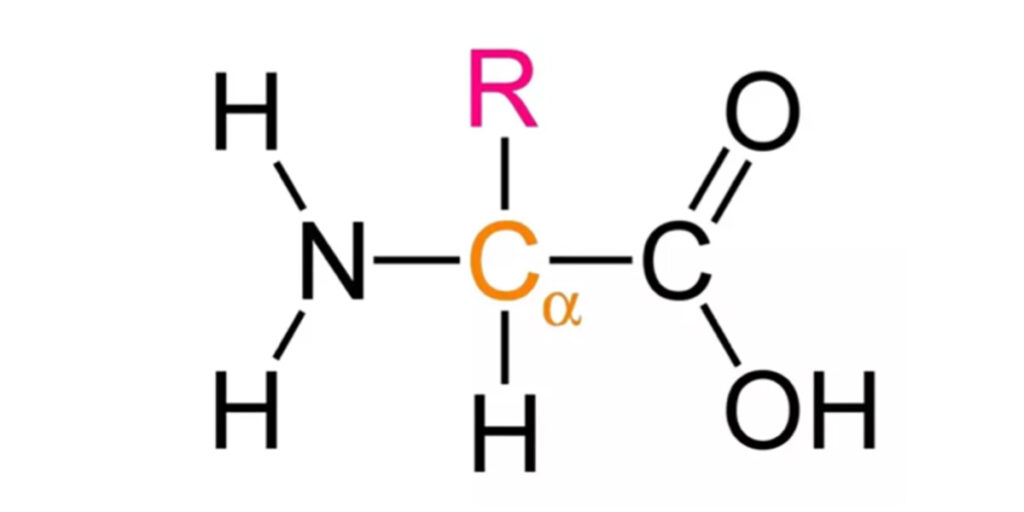
This was written in response to a post on the PSSM Forum on Facebook. Negative nitrogen balance is a normal process that is helpful under the right circumstances. It is not confined to PSSM horses. You have certainly experienced it yourself. There are some circumstances under which you cannot consume enough dietary protein to meet…
Read MoreUNM Alumni Magazine Features EquiSeq
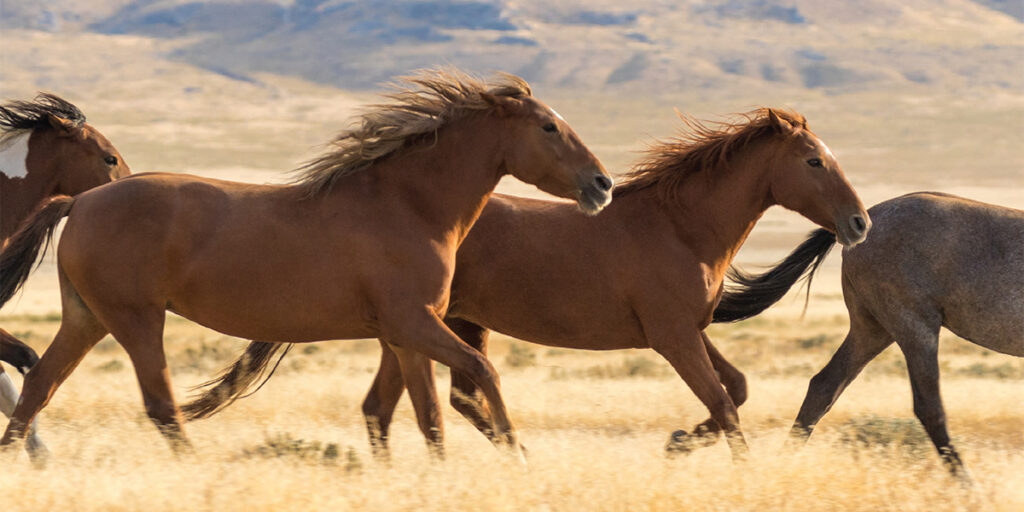
FASTER HORSES EquiSeq decodes equine genetics for better health and performanceBy Leslie Linthicum At the core of most living things is the genome, the package of genetic materials stored in long molecules of DNA. It’s what makes a person, a whale or a blob of algae grow and develop different characteristics. And it is at…
Read MoreCenter for Animal Genetics licenses new genetic tests for horses from EquiSeq

Tuebingen CAG GmbH – Center for Animal Genetics has signed an agreement with EquiSeq to be the exclusive testing center for their Equine Myopathy Panel in Europe. Horse owners can now test their animals without requiring an invasive blood draw or muscle biopsy. Equine Myopathy Panel tests for mutations in three genes associated with Polysaccharide…
Read More