
Posts by Paul Szauter, PhD, Chief Scientific Officer, EquiSeq
The P8 Genetic Variant Affects PYROXD1, a Gene Required for Oxidative Defense
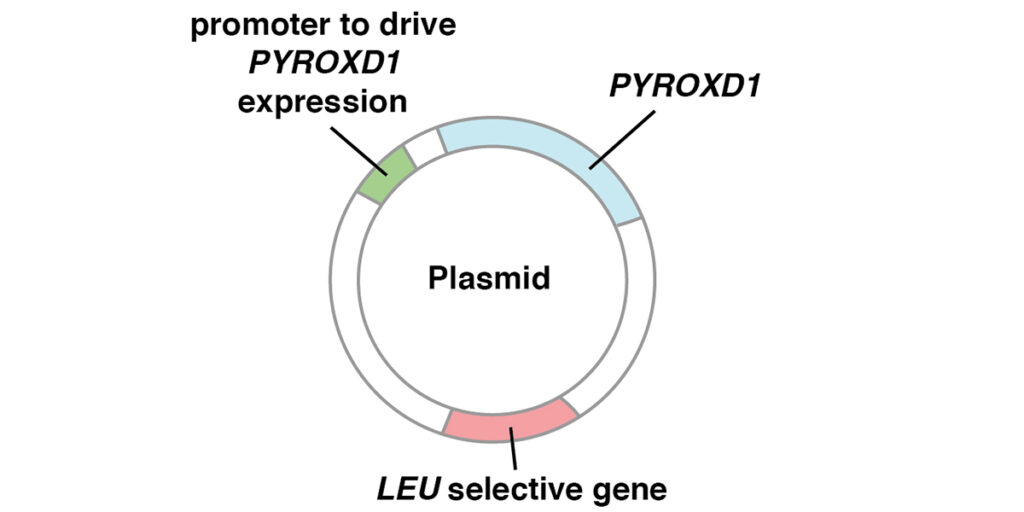
Contents Introduction The P8 genetic variant that has been part of EquiSeq’s Myopathy Panel since October 2019 is a missense allele of PYROXD1, a gene required for oxidative defense [1]. Mutations of the human PYROXD1 gene are associated with Myofibrillar Myopathy 8 in humans [1]. The P8 allele of equine PYROXD1 changes an aspartic acid (D) to a histidine (H),…
Read MorePodcast and Videos Explore Muscle Disease
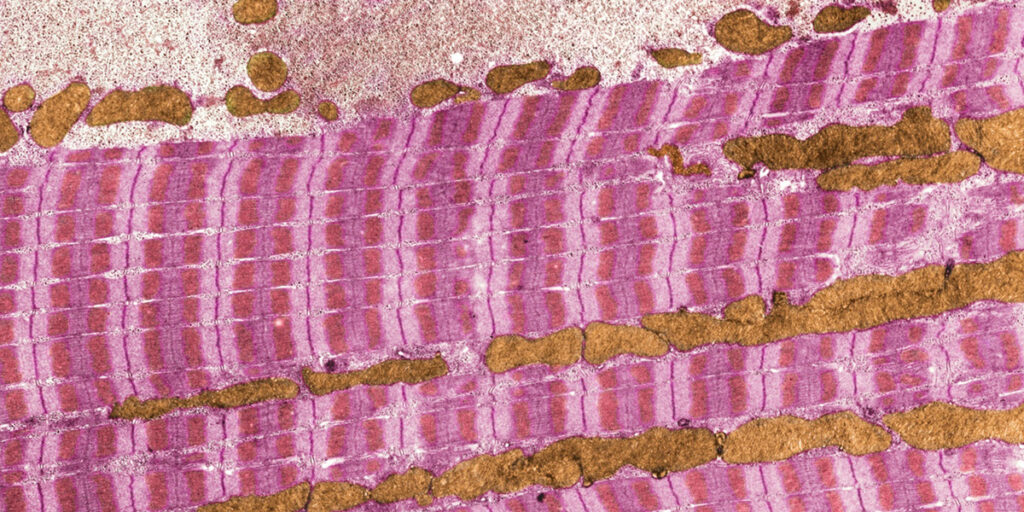
Albuquerque, New Mexico July 2020 was a great month for horse owners seeking to understand muscle disease. Eden River Equestrian interviewed Paul Szauter, EquiSeq’s Chief Scientific Officer, for episode 86 of their Come Along for the Ride podcast. In the interview, Dr. Szauter talked about the effects of the genetic variants that are included in EquiSeq’s Myopathy…
Read MorePeer Review Fails to Identify Errors in Inconclusive Study of Genetic Variants of Equine Muscle Genes
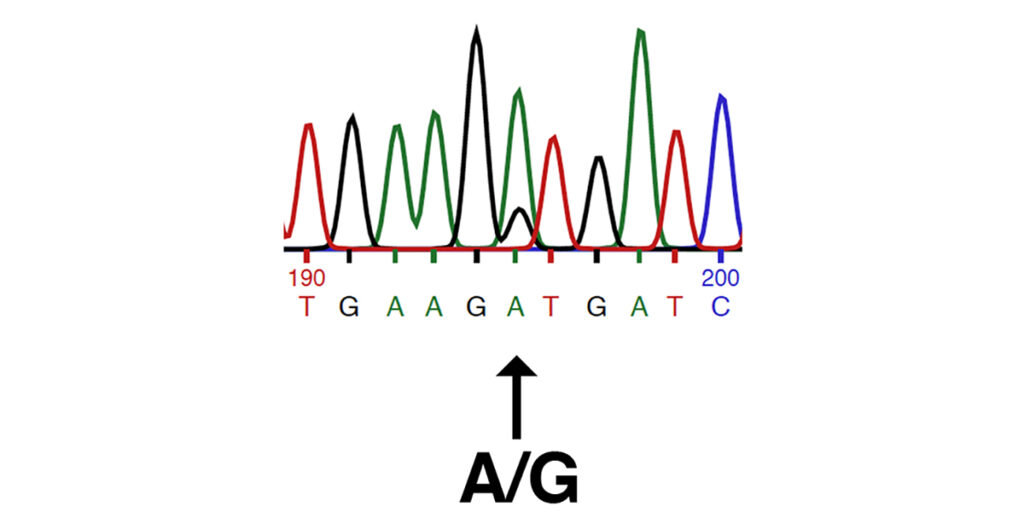
This blog post is a discussion of a paper published by Williams et al. in a recent issue of Equine Veterinary Journal [1]. The paper aims to identify genetic variants that might be responsible for Myofibrillar Myopathy (MFM) in Warmbloods. The authors use a candidate gene approach, searching for variants of eight of the nine genes known…
Read MoreGenetic Basis of Exercise Intolerance in Arabians

Paul Szauter, PhD, Chief Scientific Officer of EquiSeq, gave a presentation titled “Genetic Basis of Exercise Intolerance in Arabians” at the Al Khamsa Annual Meeting and Convention in Fayetteville, Arkansas on October 13, 2019. EquiSeq is a company based in Albuquerque, New Mexico, that develops and sells genetic tests for horses. Exercise intolerance is known…
Read MoreEquiSeq’s Kirsten Dimmler Accepted to PhD Program at the University of Minnesota
Albuquerque, NM Kirsten Dimmler, a Bioinformatics Analyst at EquiSeq, has accepted an offer of admission to graduate school in the College of Veterinary Medicine at the University of Minnesota. Kirsten will be entering the laboratory of Dr. Molly McCue, a leading veterinary expert in the field of equine genetics and genomics. Her admission to graduate…
Read MoreThe Px Allele of CACNA2D3 May Affect Splicing of a Component of the Voltage-Gated Calcium Channel

A Genome Wide Association Study (GWAS) of Recurrent Exertional Rhabdomyolysis (RER) identified a region on chromosome 16 as the only part of the genome associated with RER [1]. One of the populations in the study showed an association between RER and five Single Nucleotide Polymorphisms (SNPs) that define a 71.6 kb interval within the 822…
Read MoreMechanism of muscle damage in filaminopathy
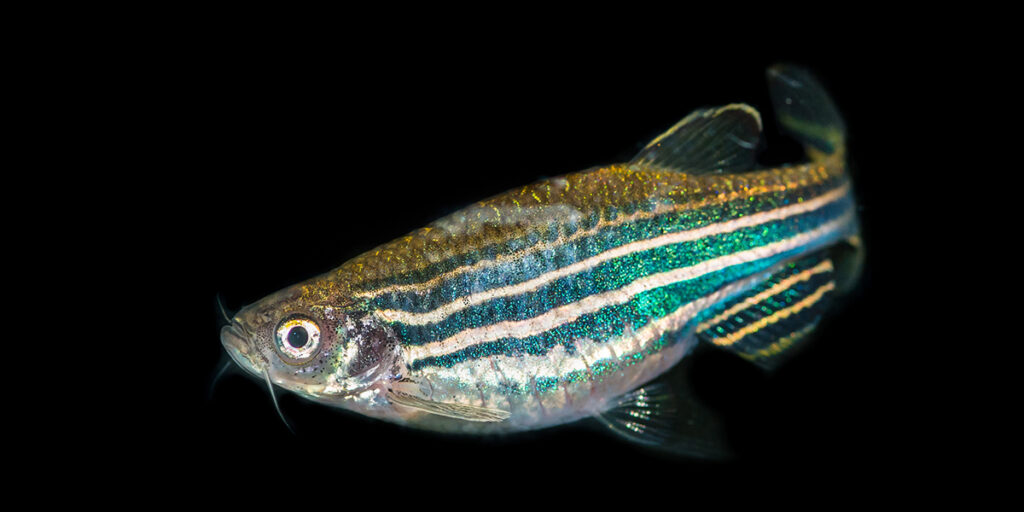
Several recent studies address the mechanism of muscle damage in filaminopathy. Filaminopathy is a term that describes muscle disorders resulting from mutations in the FLNC gene, which encodes filamen C. Two different clinical disease states are included in filaminopathy: Myofibrillar Myopathy 5 (MFM5) and Distal Myopathy 4 (DM4). Studies on the mechanism of muscle damage in filaminopathy…
Read MoreUniversity of Minnesota Opens Study of Genetic Basis of Muscle Disorders in Horses
Saint Paul, Minnesota The Equine Genetics and Genomics Laboratory at the University of Minnesota is conducting a study using 3,000+ horses to study the genetic mechanisms behind different muscle disorders in horses and how diet and exercise may impact these disorders. The results of this study will provide veterinarians, researchers, and horse owners with information…
Read MoreGenetic Linkage of P2 and P4
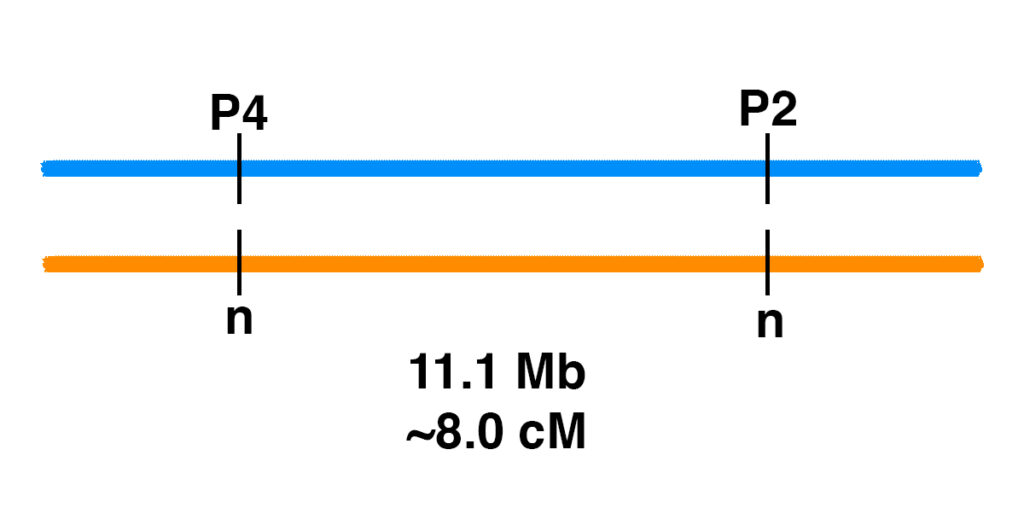
How can you figure out the chances of different genotypes when breeding horses? Monohybrid Cross It’s easy for one gene. Let’s say that there is a stallion that has one copy of one of the genetic variants associated with PSSM2, the P2 variant (MYOT-S232P). This stallion is heterozygous (n/P2), meaning that he has one normal…
Read MoreFilamin C (FLNC)
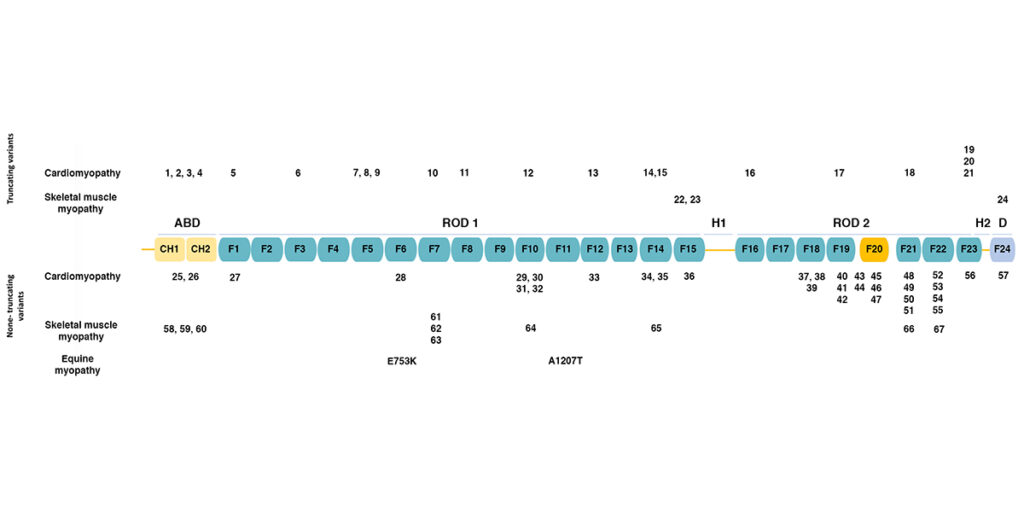
Filamins are a family of actin-binding proteins. In humans and other mammals, there are three filamins: filamin A, filamin B, and filamin C. Filamins A and B are widely expressed, while filamin C expression appears limited to skeletal and cardiac muscle. The figure below (adapted from [1]) shows the domain structure of filamin C. Filamins…
Read More